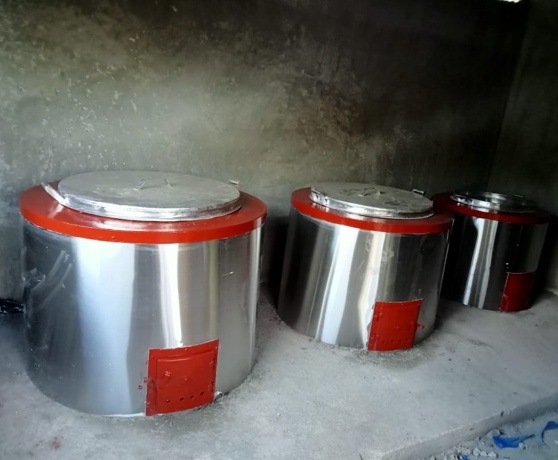
Institutional cook stoves.
The Mt. Kenya ecosystem is a critical water tower, a biodiversity hotspot, and a UNESCO World Heritage site. However, it faces intense pressure from deforestation, driven heavily by biomass fuel demands from institutions such as primary and secondary boarding schools, colleges, and hospitals in the surrounding counties (Meru, Embu, Tharaka Nithi, Kirinyaga and Nyeri). Most of these institutions rely on traditional, open-fire three-stone cooking systems or poorly designed brick stoves. These systems are highly inefficient, expensive to run, and harmful to the health of kitchen staff due to heavy smoke emissions. By introducing high-efficiency Institutional Improved Cookstoves (IICS), this project intends to create a highly scalable environmental and social intervention. The goal is to slash institutional wood fuel consumption by 50% to 70%, drastically reducing overhead costs for schools while protecting the indigenous forests of the Mt. Kenya biosphere.